Showing posts with label climateaction. Show all posts

Thursday, 31 July 2025

Healthy Soil, Secure Water: How Restoring Our Land Rebuilds Water Security and Climate Resilience

 The Overlooked Link: Soil as a Water Sponge

Healthy soil vs. degraded soil cross-section diagram.


Beneath our feet, a quiet crisis is unfolding—global soil organic carbon levels are plummeting, turning once-rich ground into lifeless dust. Why does this matter for water security? Because healthy soil, brimming with organic matter, acts as a living sponge that soaks up rainfall, recharges groundwater, and sustains river flows during droughts. In fact, fixing degraded soil isn’t just good ecology—it’s our best defense for restoring water availability and climate resilience worldwidephycoterra livelihoods soilhealthinstitute.


Monday, 5 May 2025

Stabilizing Perovskite Solar Cells: New Breakthroughs for Long-Term Efficiency

Perovskite solar cells (PSCs) have gained global attention for their high efficiency and low manufacturing costs. Despite these advantages, one major barrier to widespread commercialization remains: instability under real-world conditions. Researchers are now working on innovative methods to make these next-generation solar cells more durable, paving the way for more reliable and scalable clean energy solutions.


What Makes Perovskites So Special?

Perovskite solar panel with transparent ionic salt layer.


Perovskites are a class of materials with a unique crystal structure that makes them excellent at absorbing sunlight. Their benefits include:

  • High power conversion efficiency (up to 25%+ in lab conditions)

  • Low-cost and solution-based fabrication

  • Lightweight and flexible potential for various applications

However, they are extremely sensitive to moisture, oxygen, heat, and UV light, which causes them to degrade rapidly in the field.


Key Stability Issues in PSCs

  1. Moisture Degradation
    Humidity causes perovskite materials to decompose into lead iodide, reducing performance.

  2. Thermal Instability
    Many perovskite structures break down at elevated temperatures, making them unsuitable for hot climates.

  3. Photodegradation
    Exposure to light—especially UV—can trigger chemical reactions that destabilize the material.


Breakthroughs in Stabilizing Perovskite Solar Cells

High-tech perovskite solar panel with glowing ionic shield in lab.


🧪 1. Surface Passivation with Ionic Salts

Scientists have discovered that adding ionic salts such as potassium iodide (KI) during fabrication helps passivate the surface and grain boundaries of the perovskite layer. This reduces defect sites and improves structural integrity, extending the operational lifespan of PSCs.

🧬 2. 2D/3D Hybrid Structures

Introducing 2D perovskite layers on top of 3D perovskite cells creates a protective interface that shields the underlying material from environmental stress. These hybrid structures demonstrate enhanced moisture and thermal stability without compromising efficiency.

🌫️ 3. Encapsulation Techniques

Advanced encapsulation materials, like flexible glass or polymer barriers, protect PSCs from external elements. Some companies are developing self-healing coatings that repair micro-cracks caused by wear and tear.

🔬 4. All-Inorganic Perovskites

Replacing the organic components in perovskite formulations with inorganic counterparts (e.g., cesium lead halides) makes them less reactive and more thermally stable, although they currently offer slightly lower efficiencies.


Why Stability Matters for Commercialization

While lab efficiencies are impressive, real-world application depends on durability and performance over time. A typical solar panel is expected to last 25+ years—something current perovskites struggle to achieve. These new stabilization techniques are critical to make perovskite solar cells viable for:

  • Rooftop solar

  • Flexible solar panels for wearables

  • Building-integrated photovoltaics (BIPV)

  • Off-grid and portable solar solutions


Future Outlook: Scaling with Confidence

With these recent advancements, the solar industry is moving closer to realizing commercial-grade perovskite modules. Combining stability with scalability will open new avenues for low-cost, high-performance clean energy worldwide. Researchers are now focusing on:

  • Scalable manufacturing methods like roll-to-roll printing

  • Lead-free alternatives for eco-friendly deployment

  • Integration with tandem solar cells for even higher efficiency


Conclusion: A Brighter, More Stable Solar Future

Stabilizing perovskite solar cells is not just a scientific milestone—it's a climate imperative. As research continues to push boundaries, perovskites are inching closer to becoming a mainstream solution for a sustainable energy future. With ionic salts, hybrid structures, and robust encapsulation, the next era of solar technology looks promising—and more permanent.


Thursday, 1 May 2025

Enhancing Solar Power Efficiency: Integrating Solar-Plus-Storage with Heat Pumps

The global energy transition is gaining momentum, with a growing focus on renewable energy systems that offer reliability, efficiency, and sustainability. One of the most promising solutions is the integration of solar power systems with advanced storage technologies and heat pumps. This combination not only optimizes energy use but also significantly reduces dependence on conventional energy sources. In this article, we delve into how solar-plus-storage systems combined with heat pumps can transform energy management in residential and commercial applications.
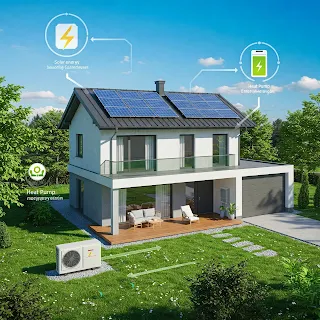
Modern eco-friendly house with solar panels.


The Rise of Solar Energy and Its Challenges

1.1 Solar Power Adoption Worldwide 

Solar photovoltaic (PV) technology has seen exponential growth in the last decade due to declining costs, government incentives, and increased public awareness about climate change. According to the International Energy Agency (IEA), solar PV is expected to account for more than 30% of global electricity generation by 2050.

1.2 Key Limitations of Standalone Solar Systems

 Despite the progress, standalone solar systems face limitations:

  • Intermittency due to weather conditions and daylight availability

  • Limited energy storage capabilities

  • Energy wastage when generation exceeds demand


2. The Role of Energy Storage in Solar Systems

2.1 What is Solar-Plus-Storage? 

Modern eco-home with solar panels, battery storage, and heat pump.


Solar-plus-storage refers to the integration of solar PV panels with battery storage systems. This configuration allows excess solar energy generated during the day to be stored and used during the night or cloudy periods.

2.2 Benefits of Adding Storage

  • Enhanced energy reliability

  • Reduced reliance on grid electricity

  • Increased self-consumption

  • Improved system efficiency and economic viability

2.3 Types of Energy Storage Systems

  • Lithium-ion Batteries: Widely used for their high energy density and efficiency

  • Thermal Batteries (PHPS): Store energy in the form of heat, offering an alternative to chemical batteries

  • Flow Batteries: Suitable for large-scale, long-duration energy storage


3. Heat Pumps: A Complementary Technology

3.1 What are Heat Pumps? 

Heat pumps are devices that transfer heat from one place to another, often from the air or ground to indoor spaces. They can be used for both heating and cooling, making them highly versatile.

3.2 Types of Heat Pumps

  • Air Source Heat Pumps (ASHP)

  • Ground Source Heat Pumps (GSHP)

  • Water Source Heat Pumps (WSHP)

3.3 Efficiency and Environmental Benefits

 Heat pumps are significantly more efficient than traditional heating systems. For every unit of electricity consumed, a heat pump can deliver 3-4 units of heating or cooling energy.


4. Integrating Solar-Plus-Storage with Heat Pumps

4.1 System Architecture A typical integrated system consists of:

  • Solar PV panels generating electricity

  • Battery storage (lithium-ion or thermal)

  • Heat pump for space or water heating

  • Smart controllers for energy flow optimization

4.2 Benefits of Integration

  • Increased Energy Self-Sufficiency: Stored solar energy can power heat pumps, reducing the need for grid power.

  • Load Shifting: Heat pumps can be scheduled to run during peak solar generation, enhancing self-consumption.

  • Cost Efficiency: Reduced energy bills and improved return on investment.

  • Environmental Impact: Lower carbon footprint through reduced fossil fuel use.


5. Case Study: Research from the Technical University of Madrid

5.1 System Design and Simulation

 Researchers at the Technical University of Madrid developed a hybrid system combining lithium-ion batteries, thermal batteries (PHPS), solar PV, and heat pumps. The study simulated energy flows and performance in residential applications.

5.2 Key Findings

  • PV self-consumption increased by up to 20%

  • Levelized Cost of Energy (LCOE) reduced by 7%

  • Enhanced reliability during power outages

5.3 Implications for Wider Adoption

 This research highlights the technical and economic viability of integrated systems. It sets a precedent for future residential and commercial energy systems that are resilient, affordable, and sustainable.


6. Implementation Considerations

6.1 Economic Feasibility

  • Initial setup costs remain high but are offset by long-term savings

  • Government incentives and financing options can improve affordability

6.2 Technical Requirements

  • Smart inverters and controllers

  • Efficient thermal storage design

  • System compatibility and scalability

6.3 Regulatory and Policy Support

  • Policies supporting feed-in tariffs, net metering, and tax credits are crucial

  • Building codes should encourage energy-efficient and renewable systems


7. Future Prospects and Innovations

7.1 AI and Smart Grid Integration 

AI can predict energy generation and consumption patterns, optimizing the performance of integrated systems. Smart grids will allow dynamic energy exchange and grid responsiveness.

7.2 Thermal Battery Advancements 

Ongoing R&D aims to improve thermal battery efficiency, storage density, and cost-effectiveness.

7.3 Community-Scale Applications

 Shared energy systems using solar-plus-storage and heat pumps can serve entire neighborhoods, increasing energy equity.


Conclusion

 The integration of solar-plus-storage systems with heat pumps represents a groundbreaking advancement in sustainable energy technology. By addressing the limitations of standalone systems and maximizing energy efficiency, this approach offers a comprehensive solution to the energy challenges of today and tomorrow. With continued innovation and policy support, these integrated systems could become the cornerstone of future energy infrastructure, enabling a cleaner, more resilient, and cost-effective energy future.

Monday, 28 April 2025

How Agrivoltaic Farms in Colorado Are Merging Solar Energy and Food Production

In an era where climate change, food insecurity, and energy demands intersect, new sustainable farming models are urgently needed. Agrivoltaics — the strategic combination of agriculture and solar energy — offers a powerful solution. Nowhere is this revolution more evident than in Colorado, where farmers and researchers are collaborating to build agrivoltaic farms that simultaneously generate solar power and grow crops. This article explores how agrivoltaic farms are transforming Colorado’s agricultural landscape and what the future might hold for this innovative approach.

Agrivoltaic farm in Colorado with crops and solar panels.


What Is Agrivoltaics?

The Concept Behind Agrivoltaics

Agrivoltaics, also known as dual-use farming, refers to the practice of using land simultaneously for both solar photovoltaic energy generation and agricultural production. Instead of competing for land resources, solar panels and crops coexist, benefiting from each other.

How It Works

Solar panels are strategically elevated above the crops. This setup allows enough sunlight to reach the plants underneath while capturing solar energy to produce electricity. The shade from the panels can also protect plants from excessive heat and water evaporation, improving agricultural yields in some cases.


Why Colorado?

Unique Geographic and Climatic Advantages

Colorado’s sunny weather and strong agricultural heritage make it an ideal place for agrivoltaic experiments. With over 300 days of sunshine per year and a growing need for sustainable farming practices, the state offers both natural and economic incentives.

State Policies Supporting Renewable Energy

Colorado has ambitious renewable energy goals. The state's "Renewable Energy Standard" encourages innovations like agrivoltaics, providing farmers and energy developers with the necessary regulatory and financial backing.


Agrivoltaic Projects in Colorado: A Closer Look

Jack's Solar Garden: A Pioneer Project

One of the most famous agrivoltaic farms in the United States is Jack’s Solar Garden in Boulder County, Colorado. Launched by Byron Kominek, Jack’s Solar Garden is a 5-acre farm that features nearly 3,300 solar panels while simultaneously growing over 30 types of crops.

Key Features:

  • Energy Production: Provides electricity to over 300 local homes.

  • Agricultural Output: Grows vegetables, fruits, and flowers beneath and around solar panels.

  • Research Partnership: Collaborates with the University of Arizona, Colorado State University, and the National Renewable Energy Laboratory (NREL) to study agrivoltaic impacts.

Colorado Agrivoltaic Learning Center

Opened in 2021, this facility is dedicated to educating farmers, students, policymakers, and the general public about agrivoltaic farming techniques and benefits.


Benefits of Agrivoltaic Farming

1. Dual Revenue Streams

Farmers can generate income not just from crop sales but also from leasing their land for solar panels or selling the generated electricity.

2. Improved Crop Resilience

Partial shading can protect crops from extreme temperatures, reducing plant stress and potentially increasing yields in hot climates.

3. Enhanced Water Efficiency

Shading from panels decreases soil evaporation rates, reducing the need for irrigation — a critical advantage in arid regions like Colorado.

4. Land Conservation

Agrivoltaics optimizes land use, minimizing conflicts between energy and agricultural needs.

5. Carbon Emissions Reduction

By producing renewable energy and supporting local food systems, agrivoltaic farms contribute significantly to lowering carbon footprints.


Challenges and Considerations

1. Initial Investment Costs

The cost of installing elevated solar arrays and setting up agrivoltaic systems can be high, although incentives and grants can help.

2. Crop Selection

Not all crops thrive under partial shade. Successful agrivoltaic farms must carefully choose crops suited to lower light conditions, like leafy greens and certain root vegetables.

3. Technical Expertise

Maintaining an agrivoltaic system requires understanding both agricultural practices and solar technology, presenting a learning curve for farmers.

4. Community Acceptance

Some communities are still skeptical of new technologies impacting traditional farming practices and rural aesthetics.


What Research Says: Agrivoltaic Outcomes in Colorado

Research Highlights:

  • Improved Microclimates: Studies show that the microclimate under panels is cooler during the day and warmer at night, benefiting certain crops.

  • Higher Efficiency: Solar panels operate more efficiently when kept cooler by the crops below, leading to a symbiotic energy boost.

  • Biodiversity Enhancement: Some agrivoltaic farms, like Jack’s Solar Garden, are integrating pollinator habitats among solar arrays, supporting local ecosystems.

Quantitative Findings:

  • Solar Efficiency: Panel performance improved by up to 2% in agrivoltaic settings.

  • Crop Yields: Certain shade-tolerant crops experienced yield increases between 5-20%.

  • Water Savings: Irrigation needs were reduced by up to 15% under shaded conditions.


Global Perspective: Agrivoltaics Beyond Colorado

While Colorado is leading in the U.S., countries like Japan, Germany, and France have also been experimenting successfully with agrivoltaics. Globally, the model is being recognized as a way to:

  • Combat land scarcity

  • Increase agricultural productivity

  • Support rural renewable energy generation


The Future of Agrivoltaic Farming in Colorado

Policy Implications

If agrivoltaics are to expand, supportive policies will be essential. Suggestions include:

  • Streamlining land-use permitting processes

  • Offering tax incentives for agrivoltaic investments

  • Providing educational resources to farmers

Technological Advancements

Research into adjustable, smart solar arrays that move according to the sun’s position could further optimize both crop growth and energy production.

Expanding Crop Diversity

Future research will help broaden the list of crops that can be successfully cultivated under panels, enabling even greater agricultural flexibility.


Final Thoughts: A Win-Win Model for Sustainability

Agrivoltaic farms in Colorado demonstrate that innovation doesn't have to come at the cost of tradition. By blending time-honored farming practices with cutting-edge renewable energy technology, Colorado is showing the world a sustainable path forward. With proper investment, education, and community engagement, agrivoltaic farming could become a cornerstone of a greener, more food-secure future.