Showing posts with label aiinnovation. Show all posts

Tuesday, 8 April 2025

Harnessing AI to Combat Climate Change: Smarter Solutions for a Greener Planet

As climate change accelerates, the world faces an urgent call to reduce greenhouse gas emissions and transition to sustainable practices. While political will, grassroots movements, and technological innovation are all vital in this effort, artificial intelligence (AI) has emerged as a powerful ally in combating climate change. From optimizing energy use to providing real-time carbon footprint data, AI is changing how businesses, governments, and individuals approach environmental sustainability.

A futuristic control center with digital screens displaying global climate data, carbon emissions maps, and AI-powered renewable energy grids.


This article explores how AI technologies, particularly machine learning and data analytics, are being leveraged to monitor emissions, enhance renewable energy systems, and foster a low-carbon future. Backed by research and real-world examples, it offers a deep dive into how this transformative technology is shaping a greener tomorrow.


Understanding the Climate Crisis

The State of the Planet

Global temperatures are rising, polar ice caps are melting, and extreme weather events are becoming more frequent. According to the Intergovernmental Panel on Climate Change (IPCC), human activities have already caused approximately 1.1°C of global warming above pre-industrial levels. If left unchecked, this could reach 1.5°C as early as 2030, with catastrophic impacts.

The Emission Equation

The root of the crisis lies in greenhouse gas emissions, primarily carbon dioxide (CO₂), methane, and nitrous oxide. Reducing emissions is crucial, but to do so effectively requires tools that can track, predict, and mitigate these pollutants at scale—and this is where AI steps in.


AI in Action: Monitoring and Forecasting Emissions

Smart Emissions Tracking

One of AI's most significant contributions is in carbon accounting. Traditional emission monitoring can be inaccurate and slow. AI-driven systems, however, can process massive datasets in real-time, offering high-resolution insights into CO₂ levels across geographies.

For instance, companies like Climate TRACE use satellite imagery and AI algorithms to provide near-real-time emissions data for nearly every country and sector, from transportation to manufacturing. This helps regulators and organizations make timely decisions to cut emissions.

Predictive Modeling

AI's predictive capabilities are helping scientists and policymakers simulate climate scenarios. Machine learning models can forecast temperature changes, sea level rise, and extreme weather events based on current emission trends. This foresight aids in designing more resilient infrastructure and policy frameworks.


Revolutionizing Renewable Energy

Enhancing Efficiency in Solar and Wind Energy

AI algorithms are transforming how we harness renewable energy. For example, machine learning can predict solar irradiance and wind patterns, allowing energy grids to adjust output dynamically. This reduces reliance on fossil fuels during peak demand.

Google DeepMind's AI model helped reduce energy use at its data centers by 40% by optimizing cooling systems. Similarly, Siemens uses AI to manage wind turbines efficiently, minimizing downtime and maximizing energy output.

Grid Management and Energy Storage

AI aids in balancing electricity supply and demand, a critical challenge for renewables. Smart grids powered by AI can learn from usage patterns and forecast energy consumption, optimizing when to store or release energy. Companies like AutoGrid and Grid4C provide AI-based grid management solutions that integrate seamlessly with utilities.


Greening Supply Chains and Transportation

Identifying High-Emission Zones

AI enables businesses to trace emissions throughout their supply chains, pinpointing hotspots that contribute most to their carbon footprint. Tools such as IBM's Watson and Microsoft's AI for Earth initiative offer solutions for sustainable supply chain management.

By analyzing vast logistics and transportation data, AI can recommend greener routes, modes of transport, or even suppliers with better environmental credentials. This level of insight helps companies adopt greener practices without sacrificing efficiency.

Smart Mobility Solutions

AI is also central to sustainable transportation. Self-driving vehicles, route optimization, and predictive maintenance reduce fuel consumption and emissions. Ride-sharing apps like Uber and Lyft already use AI to match riders and drivers efficiently, minimizing idle time and unnecessary travel.


Precision Agriculture for Sustainability

Reducing Resource Use

AI-powered platforms are being used in agriculture to optimize the use of water, fertilizers, and pesticides. By analyzing soil data, weather forecasts, and satellite imagery, these tools help farmers make informed decisions that enhance yield while reducing environmental impact.

For example, John Deere and Climate Corporation employ AI to guide planting schedules, irrigation needs, and crop rotation strategies. This precision agriculture approach minimizes waste and lowers the sector's carbon footprint.


Disaster Prediction and Management

Early Warning Systems

Extreme weather events like floods, droughts, and hurricanes are increasing due to climate change. AI is helping predict such disasters with greater accuracy. Machine learning models can analyze historical data, satellite images, and real-time sensor data to provide early warnings.

Projects like IBM's Watson Decision Platform and Google AI's flood forecasting initiative are already helping governments and NGOs prepare for natural disasters, saving lives and reducing economic losses.

Adaptive Response Strategies

In addition to early warnings, AI supports disaster response through real-time data analysis. Drones equipped with AI can assess damage, identify safe routes for evacuation, and deliver aid efficiently. AI chatbots can assist in disseminating information quickly to affected populations.


AI for Carbon Capture and Climate Engineering

Enhancing Carbon Sequestration

AI can optimize natural and artificial methods of carbon capture. For instance, it can identify suitable areas for reforestation or analyze ocean data to explore marine-based carbon sinks. Machine learning models also help improve the efficiency of carbon capture technologies used in industrial settings.

Supporting Geoengineering Research

While controversial, geoengineering could play a role in mitigating climate change. AI is being used to simulate the potential impacts of techniques like stratospheric aerosol injection or cloud brightening, helping scientists understand the risks and benefits involved.


Challenges and Ethical Considerations

Data Privacy and Surveillance

AI systems often require vast amounts of data, raising concerns about privacy and surveillance. For instance, using satellite data to monitor emissions may inadvertently capture sensitive information.

Algorithmic Bias

AI algorithm bias can result in unfair or imbalanced outcomes. When data from developing countries is limited or overlooked, climate-related solutions may disproportionately favor wealthier nations.

Energy Consumption of AI

Training complex AI models consumes significant energy. Efforts must be made to ensure that AI applications themselves do not add to the carbon problem. Innovations in green computing and energy-efficient hardware are essential.


The Road Ahead: AI and Climate Policy

Supporting Policymaking

AI's analytical power is a boon for climate policy. It can help simulate the outcomes of proposed regulations, assess their impact, and identify the most cost-effective strategies. AI can also monitor compliance with climate agreements, providing transparency and accountability.

International Collaboration

Tackling climate change requires a coordinated global effort. Platforms like AI4Climate and the United Nations' AI for Good initiative foster collaboration between researchers, governments, and businesses to develop scalable AI solutions for climate resilience.


Conclusion

Artificial intelligence offers a powerful toolkit for addressing the climate crisis. From monitoring emissions and optimizing renewable energy to making agriculture and transportation more sustainable, AI empowers us to take smarter, faster, and more effective action against climate change.

However, its success depends on responsible implementation, ethical design, and international cooperation. As we stand at the crossroads of technological advancement and environmental urgency, leveraging AI for climate action could be one of humanity’s most transformative decisions.

By embedding intelligence into our climate strategies, we are not only fighting the crisis but also designing a future that is greener, fairer, and more resilient.

Friday, 28 March 2025

Enhancing India's Power Grid with AI: Predictive Analytics for a Reliable Future

Introduction

India's power sector is undergoing a significant transformation with increasing demand for reliable electricity. However, challenges such as aging infrastructure, frequent outages, and safety hazards like electrical fires continue to pose risks. Advanced technologies such as predictive analytics and machine learning are emerging as game-changers for the energy sector, enabling utilities to monitor and manage electrical infrastructure more effectively.

One such innovation is Cascadence, a software platform developed by Toumetis, which leverages predictive analytics to enhance grid reliability. Another promising AI-driven system, iPredict, forecasts asset failures weeks in advance, allowing utilities to conduct proactive maintenance. These cutting-edge solutions have the potential to revolutionize India’s power distribution network by reducing outages, improving safety, and lowering maintenance costs.

This article explores how AI-driven predictive analytics can transform India’s electrical grid, enhance energy reliability, and ensure a safer, more efficient power distribution system.

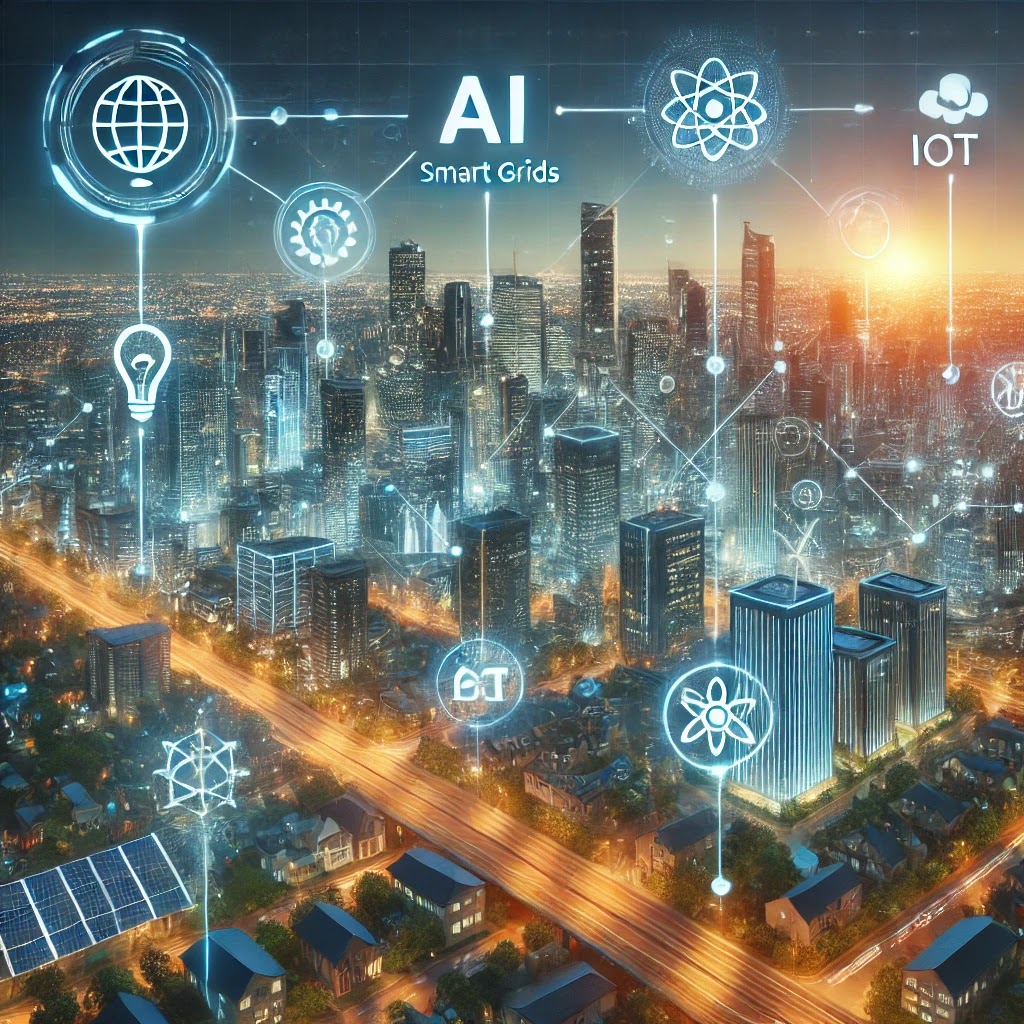
AI-powered smart grid system in India with predictive maintenance.


Challenges in India’s Power Grid

Despite significant advancements in electrification, India still faces numerous challenges in ensuring uninterrupted power supply:

  • Frequent Power Outages: Many regions experience power cuts due to equipment failure and overloading.

  • Aging Infrastructure: A large portion of India’s grid consists of outdated equipment prone to malfunctions.

  • High Maintenance Costs: Reactive maintenance approaches lead to increased operational expenses for utilities.

  • Safety Risks: Electrical faults contribute to fire hazards and even large-scale disasters such as wildfires in forested regions.

  • Grid Stability Issues: Integrating renewable energy sources with the grid poses technical challenges related to balancing supply and demand.

Addressing these challenges requires an advanced, non-invasive approach to monitoring and maintaining electrical infrastructure—something predictive analytics and AI can effectively provide.


The Role of Predictive Analytics in Power Grid Management

Predictive analytics is the use of historical data, AI, and machine learning to forecast potential failures before they happen. In the context of power distribution, AI-driven platforms like Cascadence and iPredict can transform grid operations by:

  • Detecting Equipment Failures Early: AI models analyze power quality data and predict failures before they occur.

  • Enabling Proactive Maintenance: Utilities can repair or replace assets before they break down, reducing unexpected outages.

  • Enhancing Grid Reliability: A predictive approach improves overall power supply consistency and reduces downtime.

  • Optimizing Maintenance Costs: Preventive maintenance is more cost-effective than emergency repairs, leading to significant savings.

  • Reducing Safety Hazards: By identifying weak points in the grid, AI minimizes the risk of electrical fires and accidents.


How Cascadence Enhances Grid Reliability

Cascadence, developed by Toumetis, utilizes machine learning algorithms to analyze power quality data and identify patterns that indicate potential equipment failures. The system provides utilities with real-time insights, allowing them to:

  1. Predict Failures Before They Occur: By analyzing voltage fluctuations and other parameters, Cascadence helps detect faults before they escalate.

  2. Reduce Customer Outages: Proactive maintenance prevents sudden breakdowns, ensuring uninterrupted power supply.

  3. Improve Utility Performance Metrics: Reliable power distribution enhances the credibility and efficiency of utility companies.

  4. Lower Maintenance Costs: Planned repairs cost significantly less than emergency responses to sudden failures.

  5. Minimize Fire Risks: Detecting faulty equipment early can prevent electrical sparks that may lead to wildfires or other hazards.

iPredict: Forecasting Failures with AI

While Cascadence focuses on real-time power quality monitoring, iPredict offers an AI-driven approach to forecasting asset failures weeks in advance. This innovation is crucial for India’s aging electrical infrastructure and can:

  • Identify At-Risk Assets: AI models predict which transformers or power lines are likely to fail within a two-week window.

  • Enable Strategic Repairs: Utilities can plan ahead and allocate resources effectively, avoiding last-minute disruptions.

  • Enhance Public Safety: Addressing potential failures proactively reduces risks for both utility workers and residents.

  • Support Renewable Integration: As India transitions to solar and wind energy, AI-based monitoring ensures a stable grid.


Benefits of Predictive Grid Technology for India

The Indian power sector can gain multiple benefits from implementing predictive analytics:

1. Strengthening Rural Electrification

Many rural areas in India still experience unreliable power supply. Predictive maintenance ensures that transformers and power lines in remote regions function optimally, reducing blackouts and improving quality of life.

2. Supporting Smart City Initiatives

With India’s rapid urbanization, cities are increasingly adopting smart grids. AI-driven monitoring aligns with smart city goals by enhancing energy efficiency, reducing outages, and improving public safety.

3. Enhancing Renewable Energy Integration

As India pushes towards 500 GW of non-fossil fuel capacity by 2030, integrating renewables with the grid is crucial. AI helps balance supply and demand fluctuations, ensuring seamless integration of solar and wind energy.

4. Reducing Transmission Losses

India’s power grid suffers from high transmission losses due to inefficiencies. AI can identify weak points in the grid and suggest corrective actions, reducing losses and increasing overall efficiency.

5. Ensuring Regulatory Compliance

With stringent government policies on grid reliability and carbon emissions, AI-driven platforms help utilities comply with regulations by maintaining consistent power quality and reducing environmental impact.


Implementation Challenges and Solutions

While predictive analytics offers immense potential, implementing AI-driven grid management solutions in India comes with challenges:

  • High Initial Investment: Upgrading to AI-driven monitoring systems requires substantial capital. Solution: Government incentives and public-private partnerships can help utilities afford these technologies.

  • Data Integration Issues: India’s grid infrastructure is diverse, making data collection and analysis complex. Solution: Standardizing data collection protocols across utilities will ensure seamless AI integration.

  • Cybersecurity Concerns: As grids become digitalized, they are vulnerable to cyber threats. Solution: Implementing strong cybersecurity measures and AI-driven anomaly detection can safeguard grid infrastructure.

  • Skill Gap in Workforce: AI-powered systems require skilled personnel to interpret data and act on insights. Solution: Training programs for utility employees can bridge this knowledge gap and enhance adoption.


The Future of AI in India’s Power Sector

AI-powered predictive analytics will be essential in transforming India's electrical grid. In the near future, we can anticipate:

  • Widespread Adoption of Smart Meters: AI-powered smart meters will provide real-time energy consumption insights to both utilities and consumers.

  • Integration of IoT Devices: Internet of Things (IoT) sensors will enhance monitoring capabilities, making the grid more intelligent.

  • AI-Powered Energy Forecasting: Utilities will use AI to predict energy demand and optimize power generation accordingly.

  • Expansion of Microgrids: Decentralized energy systems, supported by AI, will improve energy access in remote areas.


Conclusion

India’s power sector must evolve to meet the growing energy demands of a rapidly developing nation. AI-driven predictive analytics solutions like Cascadence and iPredict offer a non-invasive, cost-effective, and highly efficient approach to monitoring and maintaining electrical infrastructure. By adopting these technologies, Indian utilities can reduce outages, lower maintenance costs, enhance grid reliability, and improve safety for both workers and the public.

The future of India’s power grid lies in innovation and proactive management—embracing AI is no longer an option, but a necessity for a sustainable and resilient energy future.


Thursday, 27 March 2025

Accelerating Decarbonization Through Digitalization: How Technology is Driving a Low-Carbon Future

Introduction 

The urgent need to reduce greenhouse gas (GHG) emissions and combat climate change has driven industries, governments, and businesses to prioritize decarbonization—the process of minimizing carbon emissions in energy production, manufacturing, transportation, and other sectors. However, achieving net-zero goals remains a complex challenge that requires innovation, efficiency, and real-time decision-making.

A futuristic city powered by AI-driven renewable energy systems.


Enter digitalization—the use of digital technologies to optimize processes, reduce waste, and enhance sustainability. From artificial intelligence (AI) and big data analytics to blockchain and the Internet of Things (IoT), digital tools are revolutionizing the way industries operate, making decarbonization more achievable and cost-effective.

This article explores how embracing digitalization can accelerate decarbonization efforts, providing tangible benefits to industries, policymakers, and society as a whole.


The Role of Digitalization in Decarbonization

 Digitalization acts as a catalyst for decarbonization by improving energy efficiency, optimizing resource use, and enabling real-time emissions monitoring. By integrating smart technologies, industries can significantly cut their carbon footprint while maintaining productivity and competitiveness.

1. Enhancing Energy Efficiency with Smart Technologies

Energy efficiency is a cornerstone of decarbonization, and digital solutions offer unprecedented ways to optimize energy use:

  • Smart Grids & Energy Management Systems: AI-driven smart grids balance electricity supply and demand, reducing energy wastage.

  • IoT-Enabled Monitoring: Sensors and IoT devices collect real-time data on energy consumption, helping companies optimize processes and reduce emissions.

  • Building Automation Systems (BAS): AI-powered heating, ventilation, and air conditioning (HVAC) systems adjust energy usage based on occupancy and weather conditions, minimizing waste.

2. AI and Machine Learning for Carbon Footprint Reduction

Artificial intelligence (AI) plays a pivotal role in predictive analytics, helping industries forecast and manage their carbon footprint.

  • Predictive Maintenance: AI detects inefficiencies in industrial machinery, reducing energy waste and extending equipment lifespan.

  • Optimized Supply Chains: AI algorithms identify the most sustainable transportation routes, reducing fuel consumption and logistics emissions.

  • Smart Manufacturing: AI-driven automation reduces excess material use and enhances production efficiency.

3. Big Data and Digital Twins for Sustainability

Big data analytics provides valuable insights into carbon emissions, enabling businesses to make informed decisions for sustainability.

  • Carbon Accounting Platforms: Businesses use big data to track and report emissions, ensuring compliance with environmental regulations.

  • Digital Twins: These virtual models simulate industrial processes, helping engineers test low-carbon solutions without physical trials.

4. Blockchain for Transparent Carbon Markets

Blockchain technology ensures transparency and accountability in carbon offset programs and sustainability initiatives.

  • Carbon Credit Trading: Blockchain enables secure, verifiable carbon credit transactions, preventing fraud and ensuring accountability.

  • Supply Chain Traceability: Blockchain tracks product life cycles, ensuring businesses meet sustainable sourcing and production standards.

5. IoT and Smart Cities for Low-Carbon Urbanization

Urban areas contribute significantly to carbon emissions, but IoT solutions offer smart, data-driven strategies for sustainable city management.

  • Smart Transportation Systems: AI-powered traffic management reduces congestion and fuel consumption.

  • IoT-Connected Public Transport: Real-time tracking and predictive analytics improve transit efficiency, reducing reliance on fossil fuels.

  • Smart Waste Management: IoT-enabled bins optimize collection schedules, minimizing emissions from waste disposal.


Industry-Specific Applications of Digitalization in Decarbonization 

Different industries are leveraging digitalization to accelerate decarbonization in unique ways.

1. Renewable Energy Sector

  • AI improves solar and wind energy forecasting, optimizing grid integration.

  • IoT-connected wind turbines monitor performance, reducing maintenance-related emissions.

  • Digital platforms enable peer-to-peer energy trading, promoting decentralized renewable power.

2. Manufacturing and Industrial Processes

  • Digital twins help simulate and refine production processes for lower energy consumption.

  • AI-driven automation improves resource utilization, cutting material waste.

  • Smart sensors monitor emissions, ensuring regulatory compliance.

3. Transportation and Logistics

  • AI-powered route optimization cuts fuel consumption in shipping and delivery networks.

  • Electric and autonomous vehicles, managed via digital platforms, reduce fleet emissions.

  • Smart ports use real-time data to minimize idle times and improve cargo handling efficiency.

4. Agriculture and Food Production

  • Precision farming powered by AI and IoT reduces fertilizer use and water waste.

  • Blockchain tracks farm-to-table supply chains, ensuring sustainability.

  • Smart greenhouses use digital climate control to enhance crop yields with minimal carbon impact.

5. Financial Sector and Carbon Markets

  • AI-driven ESG (Environmental, Social, and Governance) analytics help investors fund sustainable projects.

  • Digital carbon credit platforms ensure transparent and verifiable carbon offsetting initiatives.


Challenges and Barriers to Digitalization in Decarbonization

 While digital technologies offer immense potential, certain challenges must be addressed for widespread adoption.

1. High Initial Costs

  • Implementing AI, IoT, and blockchain requires significant investment in infrastructure and digital skills.

  • Governments can provide incentives and tax credits to encourage adoption.

2. Data Security and Privacy Concerns

  • Digitalization relies on extensive data collection, raising privacy and cybersecurity risks.

  • Robust data protection frameworks must be implemented to build trust.

3. Digital Divide and Access to Technology

  • Some regions and businesses lack access to advanced digital tools, slowing adoption.

  • Policies must focus on bridging the digital gap to ensure equal benefits.

4. Resistance to Change

  • Traditional industries may resist digital transformation due to operational disruptions.

  • Education and training programs are essential for workforce adaptation.


Future Trends: The Evolving Role of Digitalization in Decarbonization

 As technology continues to advance, new trends will further integrate digitalization into decarbonization efforts.

  • AI-Powered Climate Modeling: Predictive AI will improve climate risk assessment and mitigation strategies.

  • 5G Connectivity for Smart Cities: Faster data transmission will enable seamless smart city management.

  • Edge Computing for Energy Efficiency: Decentralized data processing will optimize real-time energy use.

  • Decentralized Renewable Energy Grids: Blockchain and AI will enable efficient peer-to-peer energy trading.


Conclusion 

Embracing digitalization is key to accelerating decarbonization efforts across industries. From AI-driven smart grids to blockchain-powered carbon markets, digital technologies provide the tools needed to optimize energy use, reduce emissions, and drive sustainable economic growth.

By investing in digital transformation, businesses, governments, and communities can create a low-carbon future, aligning with global net-zero targets and ensuring environmental sustainability. The road ahead requires collaboration, innovation, and policy support, but the integration of digitalization and decarbonization presents a powerful solution to combat climate change and build a sustainable world.