Showing posts with label aiethics. Show all posts

Tuesday, 18 March 2025

AI as Emotional Puppeteers: How Artificial Intelligence is Transforming Human Emotions

Introduction 

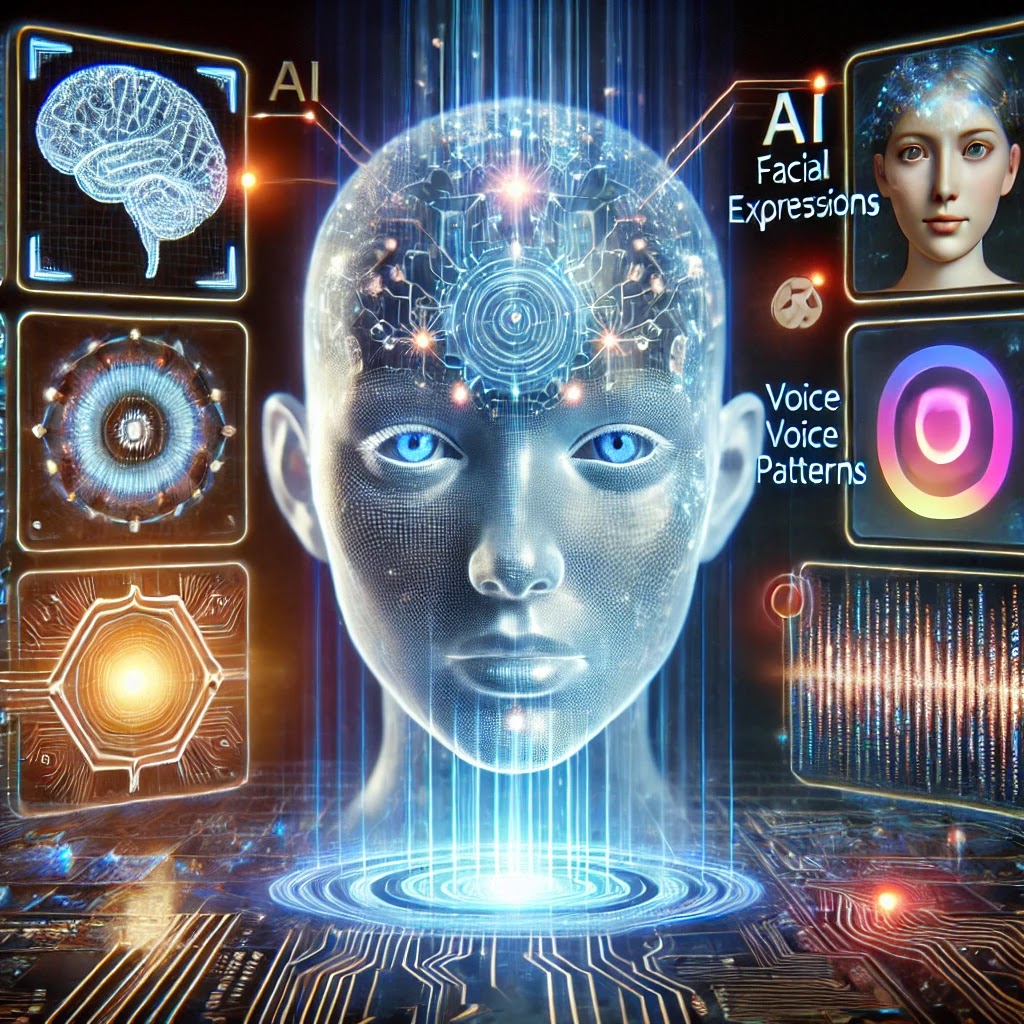
AI-powered interface analyzing human emotions in real-time.


Artificial Intelligence (AI) is no longer just a tool for automation, data analysis, or problem-solving—it is now deeply intertwined with human emotions. AI-driven emotional intelligence is revolutionizing how we interact with technology, shaping our moods, responses, and even decision-making. With AI acting as an emotional puppeteer, influencing human feelings in ways never seen before, we must explore how this transformation is occurring and what it means for the future of human-AI relationships.

From personalized digital assistants to emotionally responsive chatbots, AI is learning to recognize, interpret, and even manipulate human emotions. This article delves into the fascinating world of AI-driven emotional intelligence, its impact on various industries, ethical concerns, and the future of emotionally aware machines.

The Rise of AI Emotional Intelligence 

Traditional AI systems were built to process logic, data, and numbers, but with advancements in machine learning and deep learning, AI is now capable of understanding and responding to human emotions. Emotional AI, also known as Affective Computing, focuses on developing systems that can:

  • Recognize human emotions through facial expressions, voice tone, and language patterns.

  • Adapt responses based on detected emotional states.

  • Influence user emotions through tone, visuals, and language structures.

Companies like Google, Apple, and Microsoft are integrating emotional AI into virtual assistants and chatbots, creating hyper-personalized interactions that feel more human-like and emotionally aware.

How AI Influences Human Emotions 

AI acts as an emotional puppeteer in several ways, subtly shaping how users feel and respond to different situations. Some of the key methods include:

1. AI in Social Media and Digital Content
Social media platforms use AI-driven algorithms to curate content that resonates with users’ emotions. By analyzing engagement patterns, AI can:

  • Prioritize content that triggers strong emotional reactions, such as joy, outrage, or nostalgia.

  • Tailor advertisements to elicit specific emotional responses, increasing conversions.

  • Detect user sentiment and adjust feeds accordingly, enhancing user engagement and retention.

2. AI in Customer Service and Chatbots
Emotional AI is transforming customer service by creating chatbots and virtual assistants that respond with empathy. These AI-driven entities:

  • Recognize frustration in customer interactions and adjust tone accordingly.

  • Use sentiment analysis to provide a more personalized experience.

  • Reduce negative experiences by offering solutions in a calming and reassuring manner.

3. AI in Healthcare and Mental Well-Being
AI-powered emotional intelligence is making significant contributions to healthcare and mental health by:

  • Assisting in diagnosing mental health conditions through speech and facial recognition.

  • Providing therapeutic chatbot interactions to those suffering from anxiety or depression.

  • Monitoring emotional well-being in patients and alerting healthcare professionals when necessary.

4. AI in Gaming and Entertainment
The gaming industry is leveraging emotional AI to create immersive and emotionally dynamic experiences. AI-driven characters and narratives:

  • Adapt storylines based on player emotions.

  • Create personalized soundtracks and visual effects that enhance mood.

  • Respond dynamically to player actions, creating deeper engagement and emotional connections.

5. AI in Marketing and Advertising
Emotional AI is reshaping the way brands connect with consumers. Marketers use AI to:

  • Craft emotionally compelling advertisements based on audience sentiment analysis.

  • Optimize ad delivery times to coincide with users’ emotional states.

  • Leverage facial recognition technology to gauge reactions to promotional materials.

The Ethical Concerns of Emotional AI While AI’s ability to influence human emotions offers many benefits, it also raises ethical concerns. Some of the key issues include:

1. Manipulation and Exploitation
AI-driven emotional analysis can be used to manipulate emotions for commercial or political gain. For instance:

  • Social media platforms can amplify divisive content to boost engagement.

  • Companies can exploit consumer emotions to increase spending.

2. Privacy and Data Security
Gathering and analyzing emotional data brings notable privacy concerns, leading to questions about:

  • How emotional data is stored and used.

  • Whether users are aware of the extent to which their emotions are being tracked.

3. Dependence on AI for Emotional Support
As AI becomes more emotionally intelligent, users may develop emotional dependencies on virtual assistants, chatbots, or AI-driven therapy. This reliance may:

  • Reduce human-to-human interactions.

  • Lead to psychological effects if AI interactions replace real emotional connections.

The Future of AI-Driven Emotional Intelligence 

As AI continues to evolve, emotional intelligence in machines will likely become even more advanced. Future developments may include:

  • Hyper-Personalized AI Companions: Virtual AI companions capable of forming deep emotional bonds with users.

  • AI-Powered Mental Health Therapists: More sophisticated AI-driven therapy models with greater accuracy in emotional analysis.

  • Emotionally Adaptive Learning Systems: AI-driven educational platforms that tailor lessons based on students’ emotional states and engagement levels.

To ensure a responsible and beneficial integration of emotional AI, developers and policymakers must work together to establish ethical guidelines, ensuring AI remains a tool for enhancing well-being rather than exploiting emotions.

Conclusion AI has transcended its role as a mere computational tool and has become an emotional puppeteer, shaping human emotions in profound ways. From social media algorithms to therapeutic chatbots, AI’s influence on emotions is vast and growing. While this transformation offers numerous benefits, ethical considerations must be prioritized to prevent manipulation and ensure user well-being.

As emotional AI continues to evolve, striking a balance between innovation and responsibility will be key to harnessing its potential for the betterment of society. Whether AI becomes a force for good or a tool for exploitation depends on how we choose to integrate and regulate its emotional capabilities in the years to come.


Thursday, 6 March 2025

Can AI Replace Human Intelligence? Understanding the Capabilities and Limitations

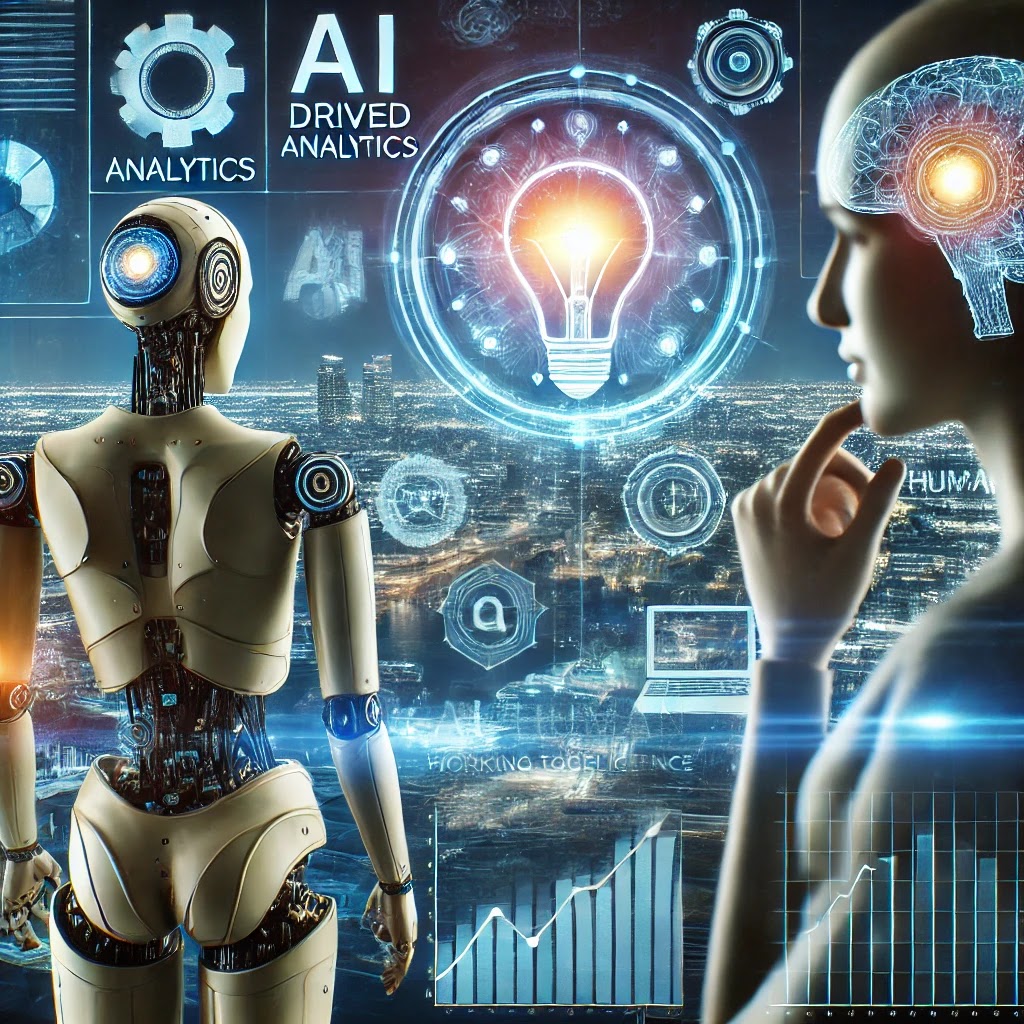
AI and human intelligence collaborating in a futuristic high-tech setting.


Introduction

Artificial Intelligence (AI) has made remarkable advancements in recent years, revolutionizing industries and automating tasks that once required human intelligence. From self-driving cars to AI-powered medical diagnostics, AI continues to evolve at a rapid pace. However, despite these impressive developments, the question remains: Can AI truly replace human intelligence?

While AI excels in processing vast amounts of data, performing repetitive tasks, and even mimicking cognitive functions, human intelligence is far more complex, characterized by creativity, emotional understanding, ethical reasoning, and adaptability. This article explores the capabilities and limitations of AI compared to human intelligence, the role of AI in the workforce, and the future of AI-human collaboration.

Understanding AI: Its Capabilities and Limitations

AI refers to the simulation of human intelligence in machines, enabling them to perform tasks such as problem-solving, learning, decision-making, and language understanding. AI is generally classified into two main categories:

  1. Narrow AI (Weak AI): Designed to perform specific tasks, such as virtual assistants (e.g., Siri, Alexa), recommendation algorithms, and fraud detection systems.

  2. General AI (Strong AI): A hypothetical AI that possesses human-like cognitive abilities, allowing it to perform any intellectual task a human can do.  As of now, General AI remains an unachieved concept in the field of AI development.

How AI Compares to Human Intelligence

1. Speed and Efficiency

  • AI can process large amounts of data at incredible speeds, far surpassing human capability.

  • Algorithms can analyze patterns, predict trends, and provide insights within seconds.

  • However, humans excel at adaptive learning and making decisions based on experience rather than just data.

2. Creativity and Innovation

  • AI can generate art, compose music, and even write literature using machine learning models (e.g., OpenAI’s GPT-4, DALL·E for images).

  • However, AI lacks true creativity as it relies on existing data and cannot generate original thoughts or break away from predefined patterns.

  • Human intelligence thrives on abstract thinking, imagination, and emotional expression.

3. Emotional Intelligence and Empathy

  • AI can recognize human emotions through facial recognition and sentiment analysis.

  • However, it does not experience emotions or truly understand human feelings.

  • Human intelligence is deeply connected to empathy, social relationships, and ethical reasoning, which AI cannot replicate.

4. Decision-Making and Ethical Judgments

  • AI can make data-driven decisions, such as financial trading, medical diagnosis, and fraud detection.

  • However, ethical decision-making is complex and requires moral values, intuition, and cultural awareness—traits that AI lacks.

  • Humans consider multiple perspectives, emotions, and long-term consequences in decision-making, which AI cannot fully grasp.

The Role of AI in the Workforce: Will It Replace Jobs?

AI’s ability to automate tasks has raised concerns about job displacement. While AI can replace certain roles, it is also creating new opportunities.

1. Jobs That AI Can Replace

AI is highly effective at automating repetitive and predictable tasks, making the following jobs more susceptible to AI takeover:

  • Data entry and processing

  • Customer service chatbots

  • Manufacturing and assembly line tasks

  • Basic financial analysis

2. Jobs That Require Human Intelligence

Certain roles require human reasoning, creativity, and emotional intelligence, making them difficult to automate:

  • Healthcare professionals (doctors, therapists, nurses)

  • Artists, writers, and musicians

  • Teachers and educators

  • Legal professionals and ethical decision-makers

While AI may assist in these fields, human expertise remains essential for complex problem-solving and interpersonal interactions.

The Future: AI as a Complement to Human Intelligence

Instead of replacing human intelligence, AI is more likely to enhance human capabilities, leading to an era of AI-human collaboration.

1. AI as a Supportive Tool, Not a Substitute

  • AI can automate tedious tasks, allowing humans to focus on creative and strategic thinking.

  • In medicine, AI helps doctors diagnose diseases faster, but human doctors provide compassionate care and ethical decision-making.

  • In education, AI-powered tutors support learning, but teachers offer mentorship and emotional support.

2. The Rise of Human-AI Collaboration

  • AI tools like co-pilots in software development help programmers write code efficiently.

  • AI-powered design assistants enhance creativity but do not replace human designers.

  • AI-driven data analysis improves business strategies, but human leadership is needed for decision-making.

Ethical and Philosophical Considerations

1. Can AI Achieve Consciousness?

  • Some researchers speculate that future AI could develop self-awareness, but current AI models lack any form of consciousness or subjective experience.

  • Human intelligence is deeply tied to biology, emotions, and existential awareness, which AI does not possess.

2. The Need for AI Ethics and Regulations

  • AI must be used responsibly to avoid biases, discrimination, and misinformation.

  • Governments and organizations need to implement ethical guidelines to ensure AI serves humanity rather than replacing it.

Conclusion: Can AI Truly Replace Human Intelligence?

While AI is transforming industries and improving efficiency, it cannot fully replace human intelligence. The unique traits that define human cognition—creativity, emotional intelligence, ethical reasoning, and consciousness—remain beyond AI’s reach.

Instead of fearing AI as a competitor, we should embrace it as a powerful tool that complements human intelligence. The future lies in collaboration, where AI enhances human potential, drives innovation, and helps solve complex global challenges.