Showing posts with label aipowered. Show all posts

Tuesday, 18 March 2025

AI as Emotional Puppeteers: How Artificial Intelligence is Transforming Human Emotions

Introduction 

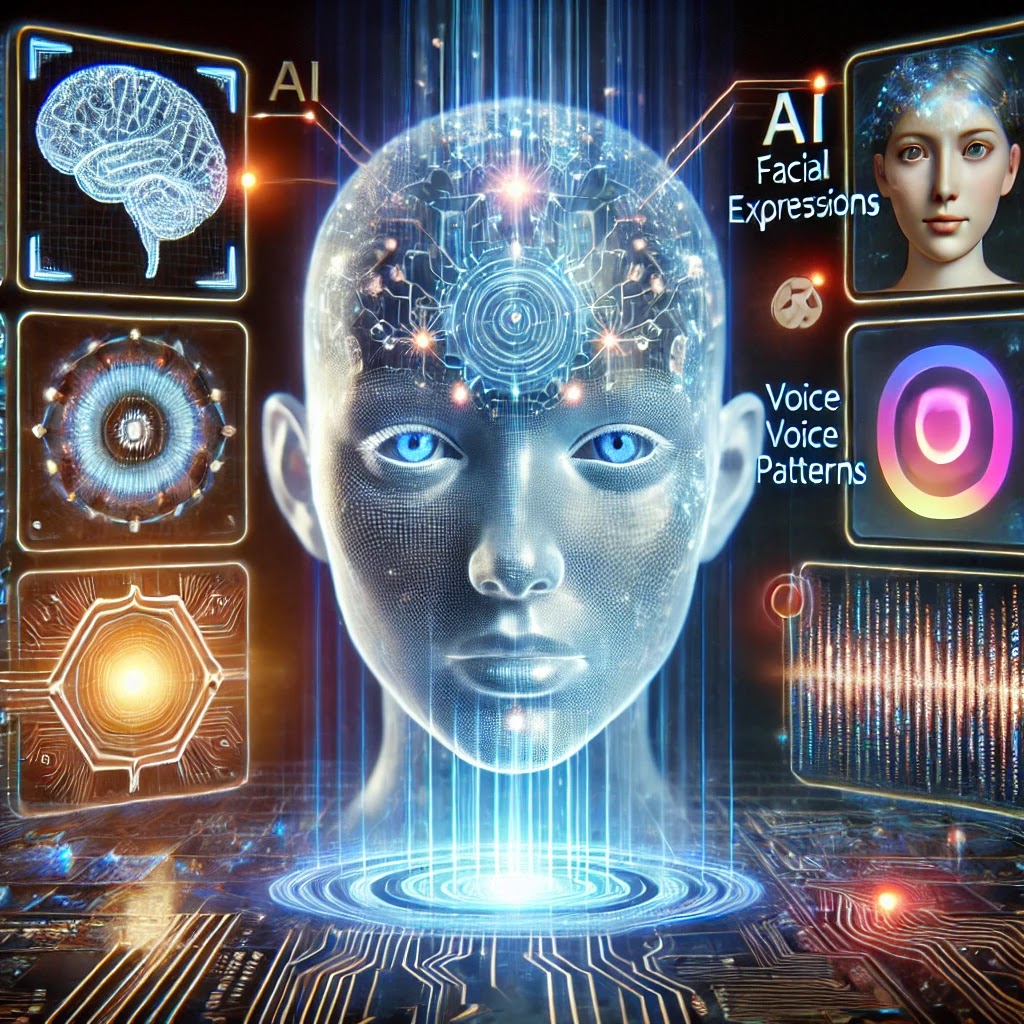
AI-powered interface analyzing human emotions in real-time.


Artificial Intelligence (AI) is no longer just a tool for automation, data analysis, or problem-solving—it is now deeply intertwined with human emotions. AI-driven emotional intelligence is revolutionizing how we interact with technology, shaping our moods, responses, and even decision-making. With AI acting as an emotional puppeteer, influencing human feelings in ways never seen before, we must explore how this transformation is occurring and what it means for the future of human-AI relationships.

From personalized digital assistants to emotionally responsive chatbots, AI is learning to recognize, interpret, and even manipulate human emotions. This article delves into the fascinating world of AI-driven emotional intelligence, its impact on various industries, ethical concerns, and the future of emotionally aware machines.

The Rise of AI Emotional Intelligence 

Traditional AI systems were built to process logic, data, and numbers, but with advancements in machine learning and deep learning, AI is now capable of understanding and responding to human emotions. Emotional AI, also known as Affective Computing, focuses on developing systems that can:

  • Recognize human emotions through facial expressions, voice tone, and language patterns.

  • Adapt responses based on detected emotional states.

  • Influence user emotions through tone, visuals, and language structures.

Companies like Google, Apple, and Microsoft are integrating emotional AI into virtual assistants and chatbots, creating hyper-personalized interactions that feel more human-like and emotionally aware.

How AI Influences Human Emotions 

AI acts as an emotional puppeteer in several ways, subtly shaping how users feel and respond to different situations. Some of the key methods include:

1. AI in Social Media and Digital Content
Social media platforms use AI-driven algorithms to curate content that resonates with users’ emotions. By analyzing engagement patterns, AI can:

  • Prioritize content that triggers strong emotional reactions, such as joy, outrage, or nostalgia.

  • Tailor advertisements to elicit specific emotional responses, increasing conversions.

  • Detect user sentiment and adjust feeds accordingly, enhancing user engagement and retention.

2. AI in Customer Service and Chatbots
Emotional AI is transforming customer service by creating chatbots and virtual assistants that respond with empathy. These AI-driven entities:

  • Recognize frustration in customer interactions and adjust tone accordingly.

  • Use sentiment analysis to provide a more personalized experience.

  • Reduce negative experiences by offering solutions in a calming and reassuring manner.

3. AI in Healthcare and Mental Well-Being
AI-powered emotional intelligence is making significant contributions to healthcare and mental health by:

  • Assisting in diagnosing mental health conditions through speech and facial recognition.

  • Providing therapeutic chatbot interactions to those suffering from anxiety or depression.

  • Monitoring emotional well-being in patients and alerting healthcare professionals when necessary.

4. AI in Gaming and Entertainment
The gaming industry is leveraging emotional AI to create immersive and emotionally dynamic experiences. AI-driven characters and narratives:

  • Adapt storylines based on player emotions.

  • Create personalized soundtracks and visual effects that enhance mood.

  • Respond dynamically to player actions, creating deeper engagement and emotional connections.

5. AI in Marketing and Advertising
Emotional AI is reshaping the way brands connect with consumers. Marketers use AI to:

  • Craft emotionally compelling advertisements based on audience sentiment analysis.

  • Optimize ad delivery times to coincide with users’ emotional states.

  • Leverage facial recognition technology to gauge reactions to promotional materials.

The Ethical Concerns of Emotional AI While AI’s ability to influence human emotions offers many benefits, it also raises ethical concerns. Some of the key issues include:

1. Manipulation and Exploitation
AI-driven emotional analysis can be used to manipulate emotions for commercial or political gain. For instance:

  • Social media platforms can amplify divisive content to boost engagement.

  • Companies can exploit consumer emotions to increase spending.

2. Privacy and Data Security
Gathering and analyzing emotional data brings notable privacy concerns, leading to questions about:

  • How emotional data is stored and used.

  • Whether users are aware of the extent to which their emotions are being tracked.

3. Dependence on AI for Emotional Support
As AI becomes more emotionally intelligent, users may develop emotional dependencies on virtual assistants, chatbots, or AI-driven therapy. This reliance may:

  • Reduce human-to-human interactions.

  • Lead to psychological effects if AI interactions replace real emotional connections.

The Future of AI-Driven Emotional Intelligence 

As AI continues to evolve, emotional intelligence in machines will likely become even more advanced. Future developments may include:

  • Hyper-Personalized AI Companions: Virtual AI companions capable of forming deep emotional bonds with users.

  • AI-Powered Mental Health Therapists: More sophisticated AI-driven therapy models with greater accuracy in emotional analysis.

  • Emotionally Adaptive Learning Systems: AI-driven educational platforms that tailor lessons based on students’ emotional states and engagement levels.

To ensure a responsible and beneficial integration of emotional AI, developers and policymakers must work together to establish ethical guidelines, ensuring AI remains a tool for enhancing well-being rather than exploiting emotions.

Conclusion AI has transcended its role as a mere computational tool and has become an emotional puppeteer, shaping human emotions in profound ways. From social media algorithms to therapeutic chatbots, AI’s influence on emotions is vast and growing. While this transformation offers numerous benefits, ethical considerations must be prioritized to prevent manipulation and ensure user well-being.

As emotional AI continues to evolve, striking a balance between innovation and responsibility will be key to harnessing its potential for the betterment of society. Whether AI becomes a force for good or a tool for exploitation depends on how we choose to integrate and regulate its emotional capabilities in the years to come.


The Rise of the Hyperpersonalized Internet: A New Era of Digital Experiences

A futuristic AI-driven dashboard displaying hyperpersonalized digital content.


Introduction 

The internet is evolving at an unprecedented pace, moving towards an era where hyperpersonalization defines our digital experiences. From customized content recommendations to AI-driven virtual assistants, the internet is becoming increasingly tailored to individual preferences, behaviors, and needs. This hyperpersonalization is transforming industries, reshaping online interactions, and redefining how we engage with the digital world.

In this article, we explore the concept of a hyperpersonalized internet, how it works, its benefits and challenges, and what the future holds for a more tailored online experience.

What is the Hyperpersonalized Internet?

 Hyperpersonalization refers to the use of artificial intelligence (AI), machine learning (ML), big data, and real-time analytics to create highly customized digital experiences for users. Unlike traditional personalization, which relies on basic user data like location or past interactions, hyperpersonalization delves deeper into:

  • User behavior and browsing history.

  • Real-time interactions and engagement.

  • Psychographic profiling (interests, habits, emotions).

  • AI-driven predictive analytics to anticipate user needs.

From search engines and social media platforms to e-commerce and digital entertainment, hyperpersonalization is reshaping how information is presented to users.

How Hyperpersonalization Works 

The hyperpersonalized internet relies on several advanced technologies to refine digital experiences. The key components include:

1. Artificial Intelligence and Machine Learning
AI and ML algorithms analyze vast amounts of user data to predict preferences and deliver relevant content. These technologies continuously learn from user interactions, improving the accuracy of recommendations over time.

2. Big Data Analytics
Companies collect and process massive datasets from user interactions, website visits, app usage, and purchase history. Big data analytics helps businesses understand user behavior patterns and refine their strategies accordingly.

3. Real-Time Data Processing
Real-time tracking of user activities allows platforms to adjust content dynamically. For example, streaming services like Netflix recommend shows based on what a user is watching at that moment, while e-commerce sites suggest products based on browsing behavior.

4. IoT and Wearable Technology
Smart devices, including IoT-enabled home assistants and wearables like smartwatches, contribute to hyperpersonalization by gathering real-time health data, preferences, and daily routines.

Industries Transforming Through Hyperpersonalization 

Hyperpersonalization is not limited to a single industry—it is revolutionizing multiple sectors:

1. E-Commerce
Retailers use AI-driven recommendations, personalized promotions, and dynamic pricing to enhance customer experiences. Examples include Amazon’s product recommendations and personalized shopping assistants.

2. Digital Marketing and Advertising
Hyperpersonalization in advertising delivers highly targeted campaigns. Companies use behavioral tracking to display personalized ads, increasing engagement and conversion rates.

3. Streaming Services
Platforms like Netflix, Spotify, and YouTube offer hyperpersonalized content suggestions based on user preferences, watch history, and engagement patterns.

4. Healthcare and Wellness
AI-powered health apps track physical activity, monitor vital signs, and offer personalized fitness and diet plans. Telemedicine services tailor treatments based on a patient’s medical history and lifestyle.

5. Financial Services
Banks and fintech companies use hyperpersonalization for tailored financial advice, fraud detection, and custom investment recommendations.

Benefits of the Hyperpersonalized Internet 

The rise of hyperpersonalization brings numerous advantages:

1. Enhanced User Experience
Users receive content, services, and recommendations that align closely with their preferences, reducing information overload and improving satisfaction.

2. Increased Efficiency
Hyperpersonalization saves time by delivering relevant results instantly. Whether searching for products, content, or services, users get what they need faster.

3. Higher Engagement and Retention
Businesses benefit from higher customer engagement, as personalized experiences create stronger brand loyalty and reduce bounce rates.

4. Improved Decision-Making
AI-driven recommendations help users make informed decisions, from choosing entertainment to managing finances and healthcare.

Challenges and Concerns of a Hyperpersonalized Internet

 Despite its advantages, hyperpersonalization also presents challenges and ethical concerns:

1. Privacy and Data Security
Collecting and processing vast amounts of user data raises concerns about data privacy and security. Users worry about how their information is used and whether it is shared without consent.

2. Risk of Filter Bubbles and Echo Chambers
Hyperpersonalized content may limit exposure to diverse perspectives, reinforcing existing biases and reducing critical thinking.

3. Over-Reliance on AI
AI algorithms can make mistakes, leading to inaccurate recommendations or manipulative practices that prioritize profit over user well-being.

4. Ethical Implications
Concerns about surveillance, data exploitation, and manipulation highlight the need for transparent AI and ethical data usage policies.

The Future of Hyperpersonalization 

The hyperpersonalized internet is expected to continue evolving with emerging technologies:

1. AI-Driven Virtual Assistants
Voice assistants like Alexa, Google Assistant, and Siri will become more intelligent, predicting user needs and automating daily tasks.

2. Personalized AI-Generated Content
AI tools will create hyperpersonalized news articles, entertainment, and interactive experiences tailored to individual users.

3. Blockchain for Data Privacy
Blockchain technology may offer users greater control over personal data, ensuring privacy while still allowing hyperpersonalization.

4. Adaptive Learning in Education
AI-driven educational platforms will offer personalized learning experiences, adapting content based on students’ learning styles and progress.

Conclusion 

The hyperpersonalized internet is transforming digital experiences across industries, offering tailored solutions that enhance convenience, efficiency, and engagement. While this shift brings numerous benefits, it also requires careful management to address privacy concerns, ethical challenges, and algorithmic biases.

As AI and big data continue to advance, the future of the internet will be even more customized, creating a digital ecosystem where personalization meets responsibility. The key lies in finding a balance between convenience and ethical considerations to ensure a safe and inclusive online experience for all users.